Gout is a form of inflammatory arthritis caused by a buildup of uric acid crystals within a joint, most often affecting the big toe, foot, and ankle. Although commonly associated with men, women can also develop gout, especially after menopause when protective hormone levels change. Symptoms typically include sudden onset of intense joint pain, swelling,…
Blog
Everything You Need to Know About Gout
Gout, typically found in diabetic patients, is an unusually painful form of arthritis caused by elevated levels of uric acid in the bloodstream. The condition typically strikes the big joint on the big toe. It has also been known to strike the knees, elbows, fingers, ankles and wrists—generally anywhere that has a functioning, moving joint….
Sever’s Disease and How to Support Growing Feet
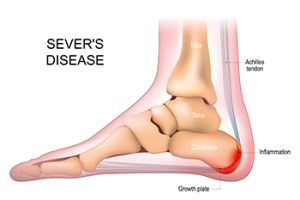
Sever’s disease is a common cause of heel pain in growing children and occurs when the growth plate in the heel becomes irritated from repeated stress. This condition often appears during growth spurts when bones, muscles, and tendons develop at different rates. Symptoms may include heel pain, limping, tenderness, and tight calf muscles that increase…
Sever’s Disease
Sever’s disease, also known as calcaneal apophysitis is a common bone disorder that occurs during childhood. The disease is defined as an inflammation of the growth plate in the heel. When a child has a growth spurt, his heel bone grows faster than the muscles, tendons, and ligaments in his leg. This disease is a…
Understanding Newborn Foot Development
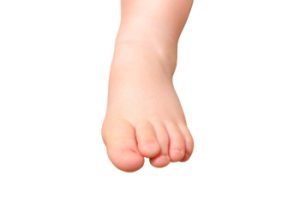
Newborn feet can look unusual at first, and much of this comes from how the baby was positioned in the womb. Some infants have feet that curve inward, called metatarsus adductus, which often improves naturally as they begin to move and grow. Others may appear flat-footed because the arch has not yet formed. Occasionally, a…